
Your July Checkup: Fluids, Brakes, Belts, and Everything the Texas Heat Tests
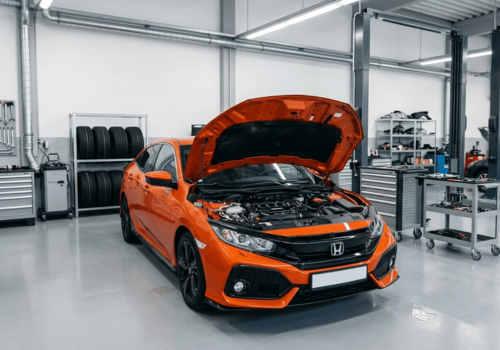
Summer in the San Antonio corridor is no joke. By the end of July, your engine has been pushing through triple-digit heat for weeks, your AC has been running almost without a break, and the fluids keeping everything lubricated and cool have been working harder than they do any other time of year. Most drivers wait until something feels wrong. That tends to be the expensive way to do it.
At
Total True Automotive, we think a mid-summer checkup is one of the best investments you can make in a vehicle. We have four locations across Schertz and New Braunfels, and every day we see the same story: a car that would have been fine with a little attention becomes a much bigger repair because the small things were left to pile up. Here is what we look at during a July checkup, and why each item actually matters.
What Does a Summer Checkup Actually Cover?
A proper mid-summer inspection is not just an oil change and a quick look around. It is a systematic review of the systems that are most heat-stressed: cooling, braking, air conditioning, drivetrain fluids, belts, and hoses.
According to AAA, extreme heat is harder on vehicles than extreme cold, and hot weather is a leading factor in the roughly 32 percent of non-crash breakdowns AAA responds to each summer. Our Digital Vehicle Inspections give you a documented look at exactly where your vehicle stands, with no guesswork.
The Systems We Focus on Most in Late Summer
Heat does not damage every system equally. Some components absorb the punishment quietly and then fail at the worst possible time.
Summer wears on these systems the hardest:
- Engine coolant: Old or low coolant cannot efficiently dissipate heat from the engine. A coolant flush and fill keep your operating temperature where it belongs.
- Transmission fluid: Degraded fluid leads to rough shifting and, eventually, serious internal damage. A transmission fluid service is cheap insurance against a very expensive repair.
- Brake fluid: It absorbs moisture over time, lowering its boiling point and potentially causing brake fade exactly when you need stopping power most.
- AC refrigerant and components: If your cabin is not getting cold or is cooling slowly, the system likely needs attention before the worst of the season's heat.
- Serpentine and timing belts: Heat accelerates belt wear. A belt that fails on I-35 in August can leave you stranded, and in some engines, a timing belt failure can cause engine damage.
- Hoses: Rubber hoses become brittle and can develop cracks or soft spots when exposed to sustained heat. A visual inspection takes minutes and can prevent a roadside failure.
We service all of these in a single visit, which saves you time and gives you a complete picture of your vehicle's condition.
Why South Texas Summer Puts Extra Pressure on Your Vehicle
The heat index in Schertz, Cibolo, and the New Braunfels area regularly exceeds 100 degrees in late July. Asphalt surface temperatures climb even higher, which means brake components are already working in a hot environment before you ever touch the pedal. That matters because heat-degraded brake pads and low brake fluid do not perform as well as cool ones.
If your vehicle is pulling to one side, the pedal feels soft, or you are hearing any grinding or squealing, do not wait. Brake repair is one of those things that is always cheaper to handle early. We service all domestic vehicles, Japanese makes, European brands, trucks, SUVs, and vans - and yes, we also service Tesla and diesel vehicles, so no matter what you are driving around the Hill Country or through Universal City, we can handle it.
What to Expect When You Bring Your Vehicle to Total True Automotive
We have been doing this since 2001, and our goal has not changed: complete customer satisfaction, every customer, every day. Our ASE-certified and factory-trained technicians perform a Digital Vehicle Inspection on every vehicle, so you get a written picture of what we found and what we recommend - no pressure, no surprises.
We back our work with a 36-month, 36,000-mile warranty, and we offer financing if a repair turns out to be larger than you planned for. If you need to leave your vehicle with us, we offer a free local shuttle service, loaner cars, and pickup and drop-off. We are a NAPA AutoCare Center with a 5-star rating across more than 1,000 reviews, and we take that reputation seriously.
Schedule Your Summer Checkup Before August Gets Here
The best time to address heat-related wear is before it leads to a breakdown. If your brakes, fluids, AC, or belts have not been looked at this summer, come see us at any of our four locations - two in Schertz and two in New Braunfels. Call the location nearest to you or stop by during the week.
We are open Monday through Thursday from 7:00 AM to 5:00 PM and Friday from 7:00 AM to 3:00 PM. Noteworthy service without compromise is not just something we say. It is how we run every bay, every day.
Frequently Asked Questions
Does it really matter which fluids get changed in summer versus any other time of year?
Timing matters because heat accelerates fluid breakdown. Engine coolant, transmission fluid, and brake fluid all degrade faster under high operating temperatures, which means a vehicle that makes it through winter fine can develop fluid-related problems quickly once summer heat arrives. Checking and servicing fluids in late July catches that degradation before it causes damage.
How do I know if my AC system needs repair or just a refrigerant recharge?
The answer depends on what is actually happening in the system. Low refrigerant can sometimes be topped off, but if there is a leak or a component failure, adding refrigerant without fixing the underlying problem is a short-term patch. Our technicians diagnose the entire system rather than guessing, so you get a real fix, not a temporary one.
How often should brake fluid be replaced?
Most manufacturers recommend every two years or roughly 30,000 miles, but that interval shortens if the fluid has absorbed a lot of moisture or if the vehicle does heavy towing or stop-and-go driving. Our Digital Vehicle Inspection includes a look at brake fluid condition so you know exactly where yours stands.
Can you handle diesel trucks and fleet vehicles at all four locations?
Yes. We service diesel vehicles and offer fleet services, and our locations in Schertz and New Braunfels are equipped to handle trucks and commercial vehicles alongside everyday passenger cars and SUVs.